Mah di dal: household black gram and overlapping recipe names
Mah di dal, maa ki dal and kaali dal overlap in published usage. Comparing actual ingredients shows why the name alone cannot guarantee a particular bean mixture or cream content.
Culture in everyday life
Textiles, performance, food and literature as living, changing traditions.
150 sourced entries · alphabetical directory · page 5 of 9
The entries and directory links are available below. The filter appears when it loads.
Mah di dal, maa ki dal and kaali dal overlap in published usage. Comparing actual ingredients shows why the name alone cannot guarantee a particular bean mixture or cream content.
Punjabi reference entries describe mahiya through beloved addresses, answering voices and short rhyming verses.
A Punjabi maize flatbread is more than the side of a familiar meal. Published recipes document its flour, shaping techniques, accompaniments and changing presentation.
Sung verses, live instruments and the exchange between leader and group shape this form of giddha.
Pilgrim voices, literary remembrance and a curated Shalimar programme reveal different settings and responses within Lahore’s Mela Chiraghan accounts.
A Punjabi-Kenyan restaurant history, its menu and a Bangladeshi curator’s family account show distinct routes into Britain’s restaurant trade.
A nineteenth-century district account and later agricultural studies place millet foods within changing regional grain economies.
A university study questions why Sahiban bears singular blame in Mirza Sahiban, examining reader responses and the different choices attributed to the lovers.
Earth can form a wall, a brick, a roof layer or a plaster finish. A historical Punjab housing report helps distinguish these different parts of a building.
At Multan’s blue-pottery institute, a 2016 programme proposed design and Kashigiri courses, materials trials and support for participating artisans.
A documented Multan workshop and a historian’s family account show ingredients, prolonged stirring and the movement of sohan halwa through kinship and gift networks.
Explore short comic exchanges, a practitioner’s account of narrative invention and an institutional response to Punjabi folk theatre.
Lahore’s official food listing places nihari in a specific neighbourhood, while three practitioner accounts reveal spice mixtures, thickening and finishing choices in a wider connected cuisine.
Pakpattan’s gate-opening disputes, a reported access protest and dated Urs preparations show how ritual responsibility meets public administration.
Family and chef recipes document panjiri as a loose roasted-flour sweet, with variations in nuts, spices, semolina and shaping rather than one compulsory list of additions.
Explore paranda hair ornaments, braided extensions and tassels through recorded making practices, while distinguishing these accessories from waist drawstrings.
Ground rice, soaked rice paste and broken basmati produce different published phirni preparations. The comparison explains texture, flavouring and serving vessels without inventing an origin story.
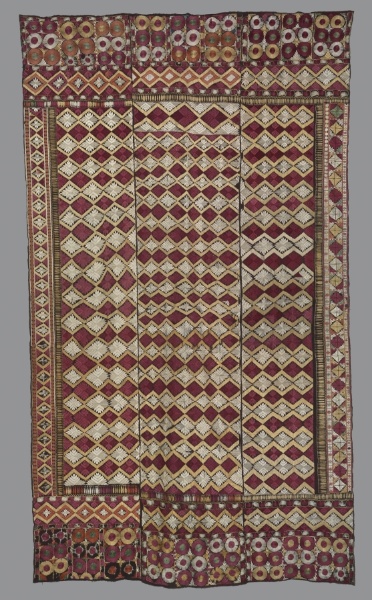
Look closely at a Punjabi embroidery tradition through materials, making, domestic use and the limits of surviving collections.
No matching entries on this page. Search the complete section or clear the filter.
How we use sources, explain uncertainty and correct mistakes.
Your browser could not save your reading list. It will be lost when you leave this page.