Adi Granth compilation: how to follow manuscript evidence
Begin with a named scholarly reconstruction and the Bhai Gurdas Library’s manuscript catalogues, keeping a research claim separate from an inspected manuscript.
Read the sources
Practical guides to objects, catalogues and archives, including their limits and access conditions.
80 sourced entries · alphabetical directory · page 1 of 5
The entries and directory links are available below. The filter appears when it loads.
Begin with a named scholarly reconstruction and the Bhai Gurdas Library’s manuscript catalogues, keeping a research claim separate from an inspected manuscript.
Follow Lahore, Multan and the doabs through a translated contents list, then test a specific court-household passage against its stated scope.
Begin with a named donation and distinguish objects, photographs and their descriptions. Build a traceable research note without inventing an accession number or a missing object history.
Follow British Indian Army catalogue references, Punjab village registers and commemoration records without confusing their coverage or treating a missing name as proof of no service.
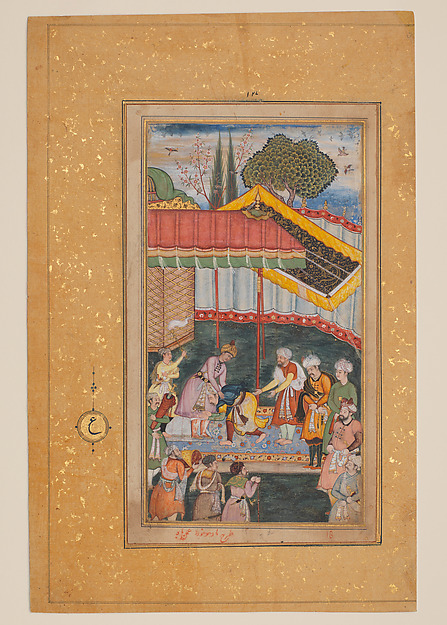
Find a particular Baburnama witness, distinguish its language and date, and trace the Lahore connection of one illustrated folio.
Compare Jodh Singh and Shamsher Singh Puri editions, then follow a digital project’s bibliography back to named printed sources.
Use two specific Punjab records to distinguish a map, a later printed edition and the documents it describes. Follow catalogue references while checking whether the underlying material is actually available.
Trace three named modern resources without treating an English rendering, a Hindi audio edition or a historical thesis as the poet’s surviving original.
Read three dated map examples without confusing a later historical reconstruction, a colonial survey sheet and an irrigation study’s operational geography.
Use a Punjab and Delhi report to check authorship, publication dates, changing boundaries and the difference between a table volume and a colonial interpretation.
Use a named scholarly study beside a traceable Punjabi and English edition, distinguishing attribution, literary interpretation and the identity of the translated publication.
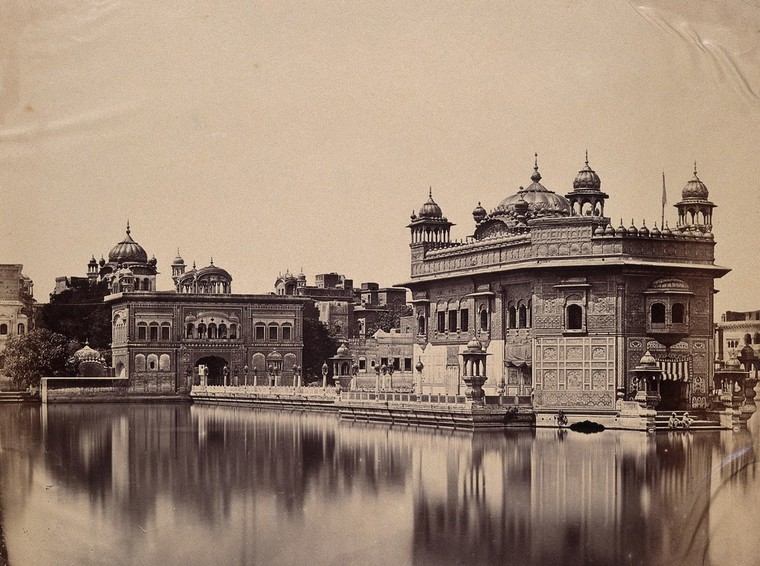
Compare Golden Temple photograph records with an album finding aid, preserving approximate dates, qualified makers, mount sizes and unidentified photographers.
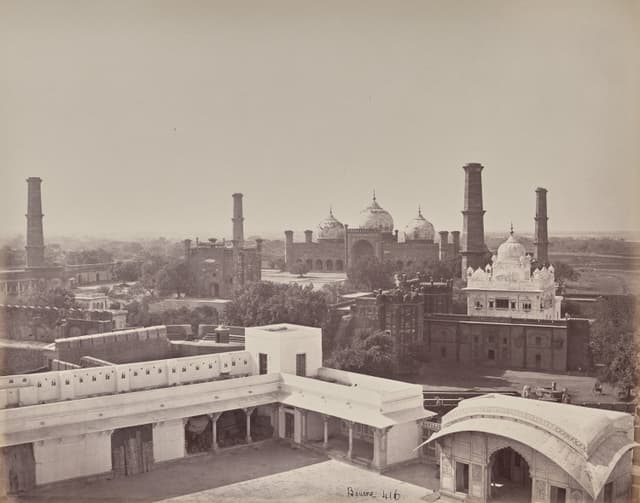
Read three early Lahore photograph records through date ranges, negative numbers, mounted dimensions and a royal tour album’s separate presentation history.
Use one documented collection, Nur-i-Afshan, to move from a preservation project to a properly scoped source citation.
Two identified Gandharan sculptures and a museum’s field definitions show why an ancient date, regional attribution, excavation context and collection history answer different questions.
Study Harmandir Sahib donor inscriptions through two field-research accounts, distinguishing dedication, memorial names, script, location and proposed dating.
Compare surviving print records through two mission-press imprints and a typography study, separating book dates, credited roles and later reproductions.
A named English translation and a conservator’s account show why edition-finding, manuscript access and respectful handling require different information.
No matching entries on this page. Search the complete section or clear the filter.
How we use sources, explain uncertainty and correct mistakes.
Your browser could not save your reading list. It will be lost when you leave this page.