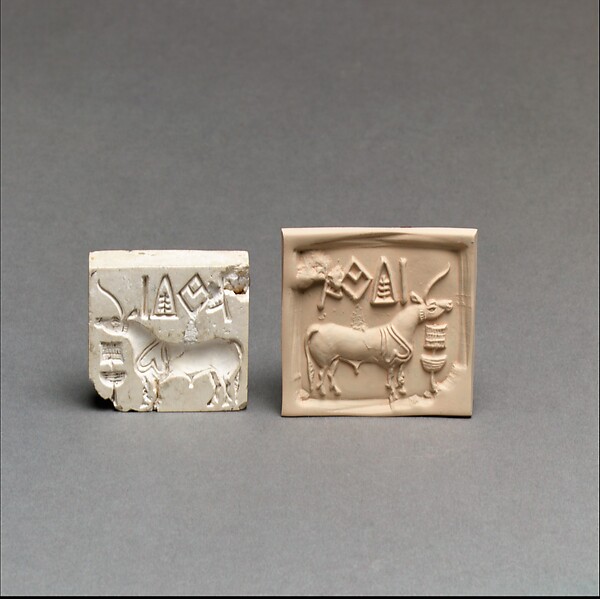
Harappan civilisation in Punjab
Harappa was part of a much wider Indus world. Its excavated sequence and surrounding settlements reveal urban life, craft and changing landscapes without turning ancient archaeology into a modern nationality.
Through the centuries
Follow changing landscapes, institutions and everyday lives. Dates and boundaries matter.
180 sourced entries · alphabetical directory · page 3 of 10
The entries and directory links are available below. The filter appears when it loads.
Harappa was part of a much wider Indus world. Its excavated sequence and surrounding settlements reveal urban life, craft and changing landscapes without turning ancient archaeology into a modern nationality.
Follow raw stone, bead-making debris and coastal shell workshops to understand how Indus craft networks are reconstructed.
Compare actual seals and impressions while keeping visible signs, possible functions and unverified readings distinct.
Compare the evidence for city organisation at Harappa, Mohenjo-daro and Dholavira without assuming one identical plan.
Compare conservation projects in Lahore and Amritsar and the questions they raise.
Coins, inscriptions and travel accounts identify changing powers in the northwest. The historical label Huna covers groups that should not automatically be treated as one dynasty.
How bilingual coinage, overstrikes and material records help reconstruct kingdoms south of the Hindu Kush.
Follow Maues and later coinage without treating a Greek name, portrait or repeated royal legend as a simple ethnic or chronological label.
A mobile imperial household and a tomb complex give different routes into Jahangir’s Punjab connections. The historical account and the surviving architecture answer different questions.
Read about the Jallianwala Bagh massacre in Amritsar, where troops under Reginald Dyer fired on an unarmed gathering.
Walking convoys, carts and personal recollections show how families crossed Punjab during the displacement of 1947.
Read the 1819 Kashmir campaign alongside an early 1820s travel journal, distinguishing military logistics, provincial offices and reported fiscal practices.
Migrant labour has shaped agriculture in Indian Punjab. Studies document workers’ movements, employment and the limits of individual surveys.
Read Lahore’s colonial capital through adapted government premises, municipal institutions and an 1885 debate over who could speak for the city’s residents.
Compare approaches to land ceilings and tenant rights in Indian and Pakistani Punjab after Partition.
Follow two district settlements through river-affected assessments, official judgment and negotiations over payment dates, keeping each case in its own setting.
Late Harappan settlements changed unevenly after the major urban phase. Cemetery H and Bara evidence offer different views of that transition.
Martial law in parts of Punjab in 1919 can be studied through dated Lahore orders and later debates over compensation.
No matching entries on this page. Search the complete section or clear the filter.
How we use sources, explain uncertainty and correct mistakes.
Your browser could not save your reading list. It will be lost when you leave this page.