The First Anglo-Sikh War
Follow the Sutlej campaign through Aliwal and Sobraon, alongside a parliamentary dispute over military thanks and approval of government policy.
Sutlej frontier and Lahore kingdom
Through the centuries
Follow changing landscapes, institutions and everyday lives. Dates and boundaries matter.
180 sourced entries · alphabetical directory · page 8 of 10
The entries and directory links are available below. The filter appears when it loads.
Follow the Sutlej campaign through Aliwal and Sobraon, alongside a parliamentary dispute over military thanks and approval of government policy.
Amritsar developed through settlement, tank construction and institutions under successive Gurus. The sources attach different founding dates to different stages and preserve alternative accounts of the land.
At Anandpur in 1699, Guru Gobind Singh established the Khalsa. Initiation, discipline and a direct relationship with the Guru reshaped the Sikh community.
Migrant workers, students and organisers built Ghadar across the Pacific world. Its newspapers and attempted wartime uprising connected experiences of exclusion abroad with opposition to British rule in India.
New wheat varieties, research institutions and farmer participation transformed agriculture from the 1960s. The gains in food production also made the long-term demands of intensive irrigation increasingly important.
Follow gurdwara reform through its publicity bureau, newspaper initiative and a 1925 editorial’s distinction between conditional release and admitting guilt.
The Hindu Shahis connected Kabulistan, Gandhara and the approaches to Punjab. Research on Hund, coin sequences and Salt Range temples gives a fuller picture than a list of battles alone.
The Hunter Committee investigated the 1919 Punjab disturbances. Its official inquiry and contested reports require careful reading.
The Indus Waters Treaty was signed in 1960 by India, Pakistan and the World Bank; its river allocations and later disputes affect Punjab.
The Kanheya misl was an eighteenth-century Sikh political and military association, examined through Jai Singh’s portrait and later court narratives.
The 2019 Kartarpur Corridor agreement created a route to Gurdwara Darbar Sahib and a meeting place for some families separated by Partition.
The Khaksar movement’s 1940 clash with police in Lahore unfolded within the wider politics of colonial Punjab and the Second World War.
Read the Komagata Maru admission dispute through a court appeal and a separate policy study, distinguishing exclusion orders from an abandoned testing plan.
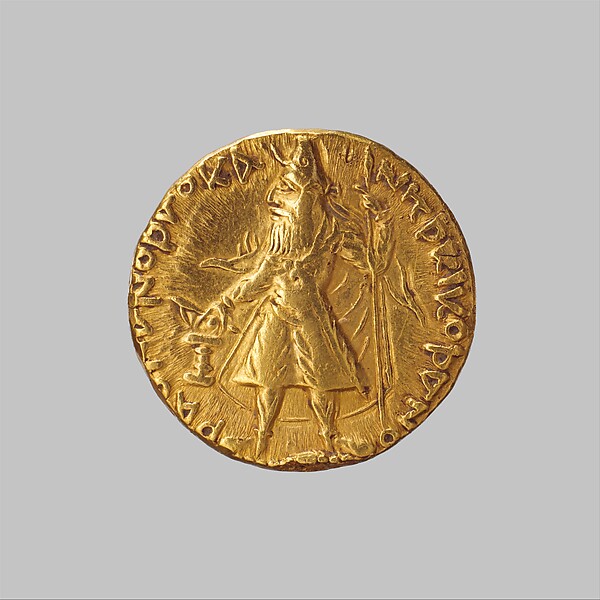
Connect Taxila with a wider Kushan world through settlement evidence, royal coinage and the distinction between language and script.
The first Lahore Conspiracy Case began in 1915 amid Ghadar organising and emergency laws during the First World War.
Read the Lahore court through an escorted audience, visible seating hierarchies and later material studies, keeping observations and identifications distinct.
Examine dated Lower Bari Doab grant conditions and a later family account, distinguishing official obligations, conditional ownership and remembered settlement.
PEPSU ceased to be a separate state when it merged into Punjab in 1956, with legal and administrative consequences.
No matching entries on this page. Search the complete section or clear the filter.
How we use sources, explain uncertainty and correct mistakes.
Your browser could not save your reading list. It will be lost when you leave this page.